Creating botanical havens for interiors
Curated plant design, sourcing, styling and bespoke installations for residential, commercial and retail spaces.
Championing Greener Interiors
The Planted House offers a complete interior plant design, supply and styling service—transforming spaces into botanical havens with curated plants and custom installations. Through a collaborative design process that incorporates elements of biophilia, a diverse plant palette and thoughtful styling, we create cohesive, immersive plant experiences that enhance and transform spaces, nourishing connection with those who use them.
Get in touch to book a FREE consultation call. We’d love to bring your next green project to life.

Visit our online plant shop
Family - Moraceae
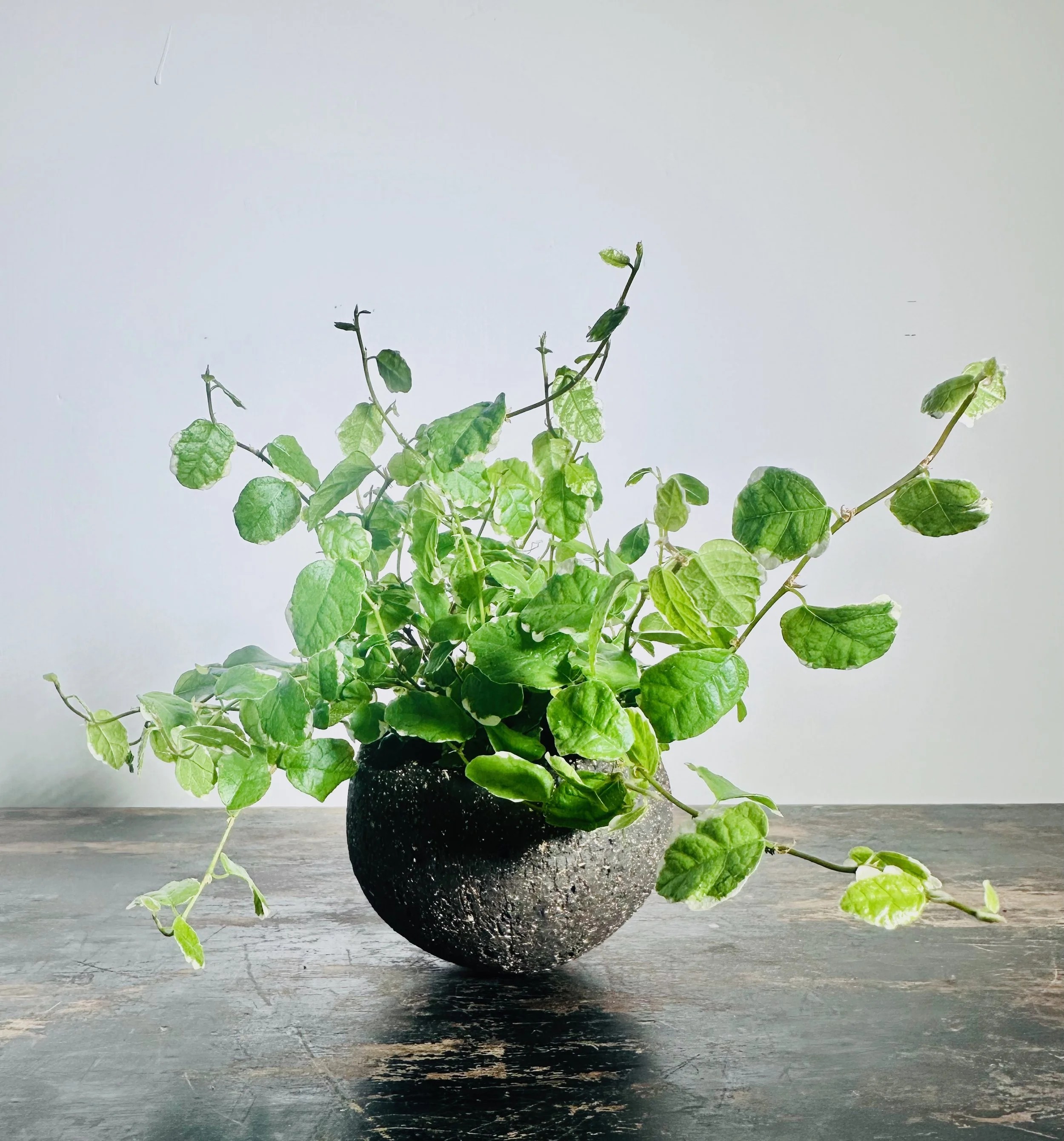
Family - Moraceae
Native to the sub tropical biomes of China and Southeast Asia this is a vigorous self clinging vining plant with small heart shaped leaves. It uses little aerial roots to climb trees or cover ground with its creeping habit. Indoors it can be positioned where it can trail.
Position - a warm spot in bright but dappled / filtered light. Can tolerate light shade. Direct sun may scorch the leaves.
Water - regularly enough to keep the root ball consistently moist but not soggy. The surface can be allowed to slightly dry before watering again. Water evenly around the plant avoiding the centre and discard any excess that flows out of the base. Do not leave the pot sitting in water as this will lead to root rot
Humidity - These thrive in high humidity so a bathroom is ideal. Misting is an option but only lends temporary humidity
Feeding - Apply balanced liquid feed once a month between spring and autumn
Ideal Temperature - 16°C and 24°C (65°F and 75°F).
Repotting - only when necessary using an aerated, free draining potting mix
This is in an 8cm nursery pot. You will receive a plant similar to the one in photo
Family - Aspleniaceae
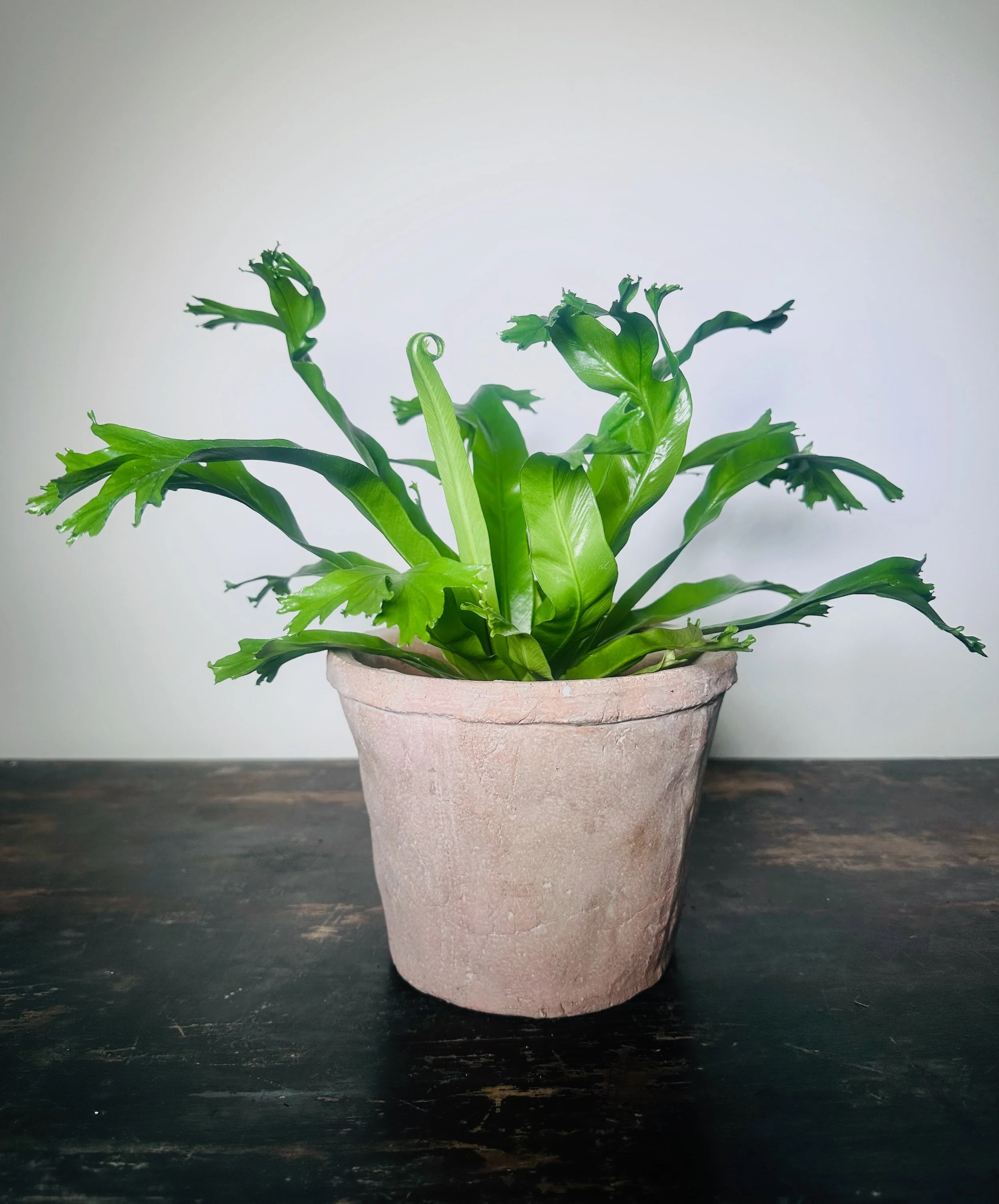
Asplenium ferns are found throughout tropical forests of East Africa, Japan, Australia and the Pacific islands
Growing as epiphytes in the wild, their outwardly spreading roots anchor themselves within nooks and crannies of trees and rocks, soaking up moisture and nutrients from bark and surrounding organic debris .
An intriguing evergreen cultivar of the more common Birds Nest Fern Asplenium antiquum
The glossy fronds have distinctive ruffled crest-like ends that fork and divide, radiating out from a central rosette
Position - a warm spot in bright but dappled / filtered light. Direct sun may scorch the leaves. Avoid proximity to heaters and drafts
Water - regularly enough to keep the root ball consistently moist but not soggy. The surface can be allowed to slightly dry before watering again. Water evenly around the plant avoiding the centre and discard any excess that flows out of the base. Do not leave the pot sitting in water as this will lead to root rot
Humidity - Ferns love humidity so a bathroom is ideal. Placing the pot on a tray of damp gravel will help. Misting is an option but only lends temporary humidity
Feeding - Ferns are not heavy feeders but an application of a balanced feed 3 or times between spring and autumn will give it a nourishing boost
Ideal Temperature - 18°C and 24°C (65°F and 75°F).
Repotting - only when necessary using an aerated, free draining mix of bark, coir and perlite. A shallow pot is ideal as roots radiate outwards
This is in a 12cm nursery pot. You will receive a plant similar to the one in photo
Creating Aerial Sculptures
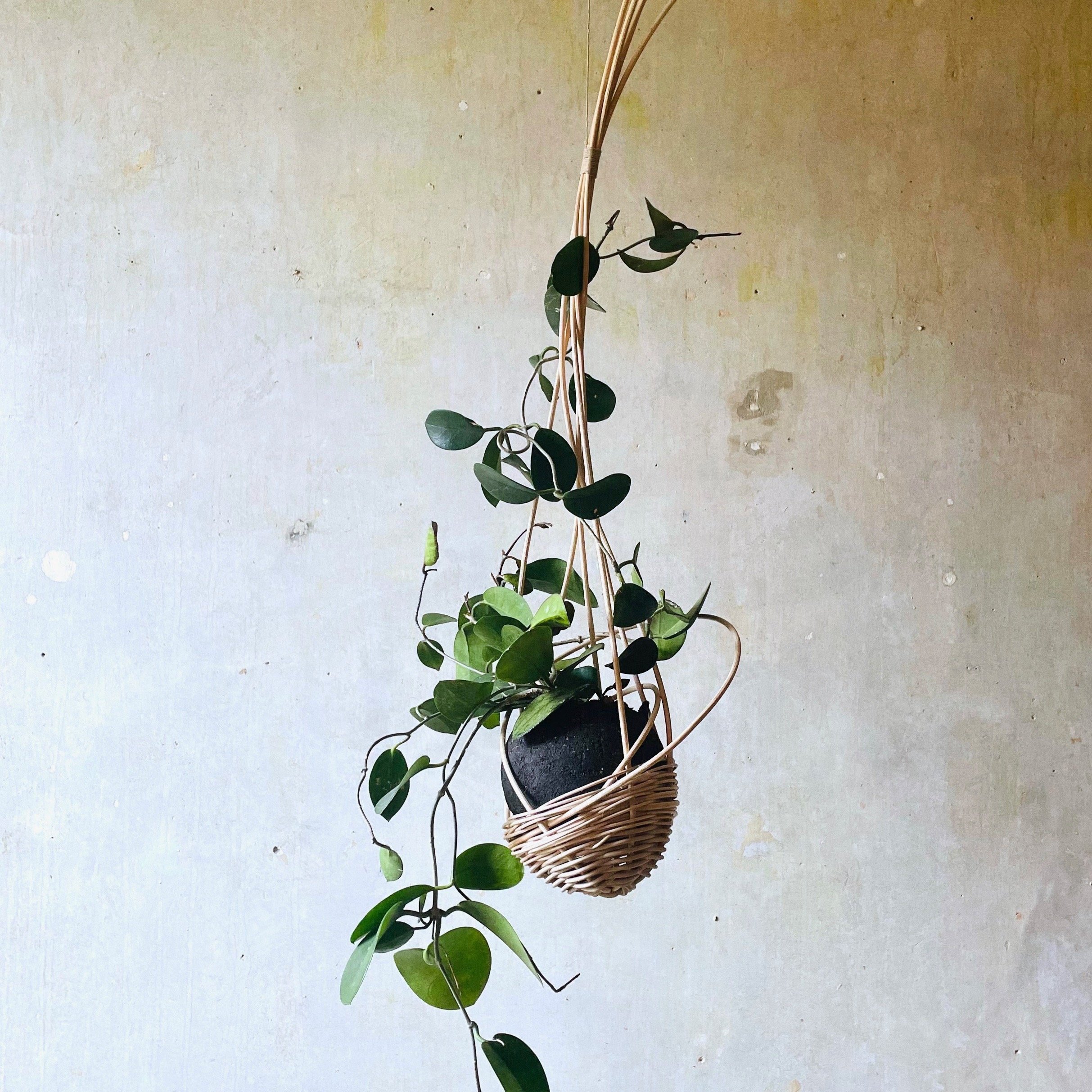
In addition to offering interior plantscaping, founder Antonia Adams’ love of aerial planting and vines has led her to create her own range of sculptural installations which are available to order. Forming part of her preparatongold-winning show garden at RHS Chelsea in 2022. Her More ambitious design schemes are also possible – with a holistic consideration of the plants and the structures that contain and support them.